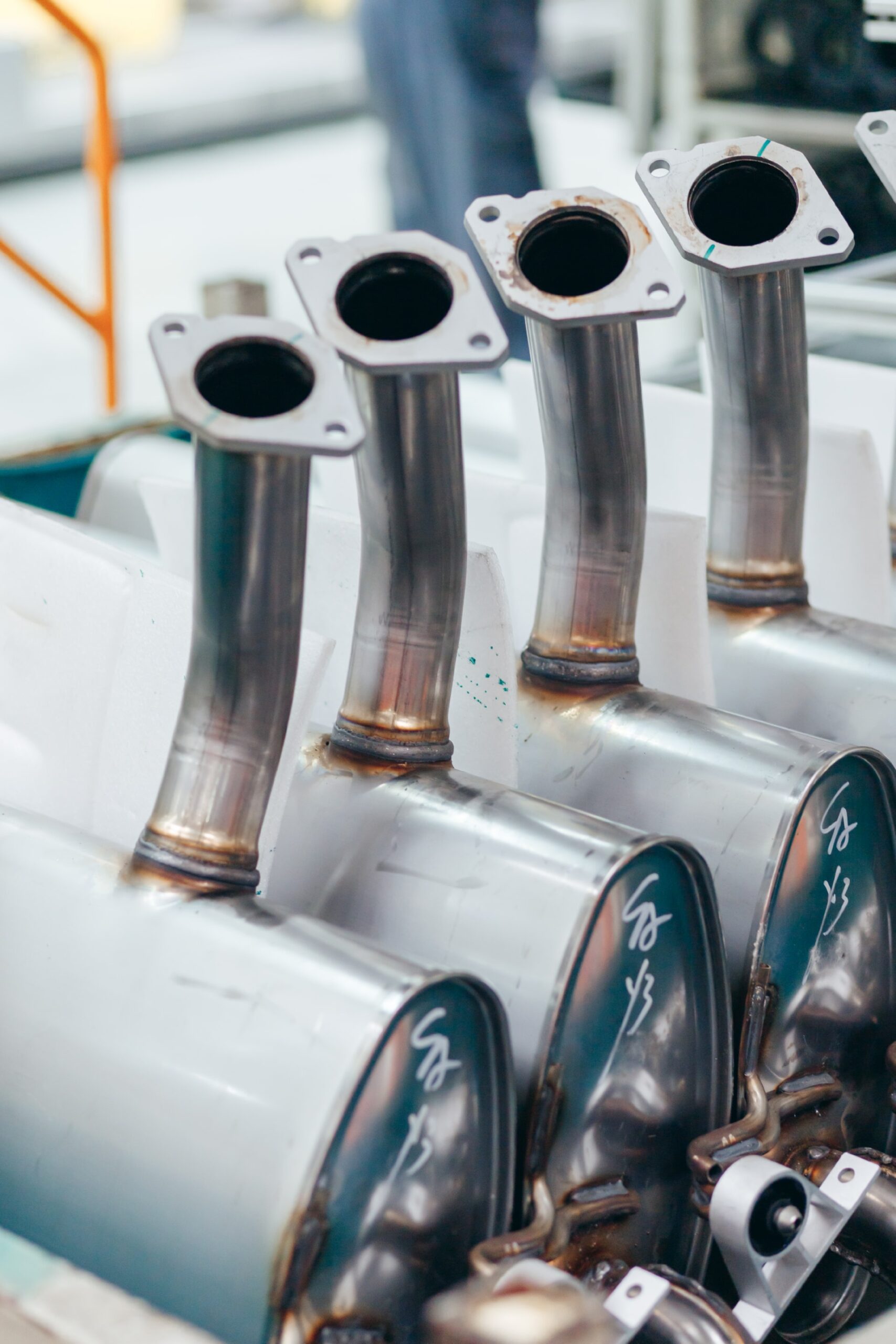
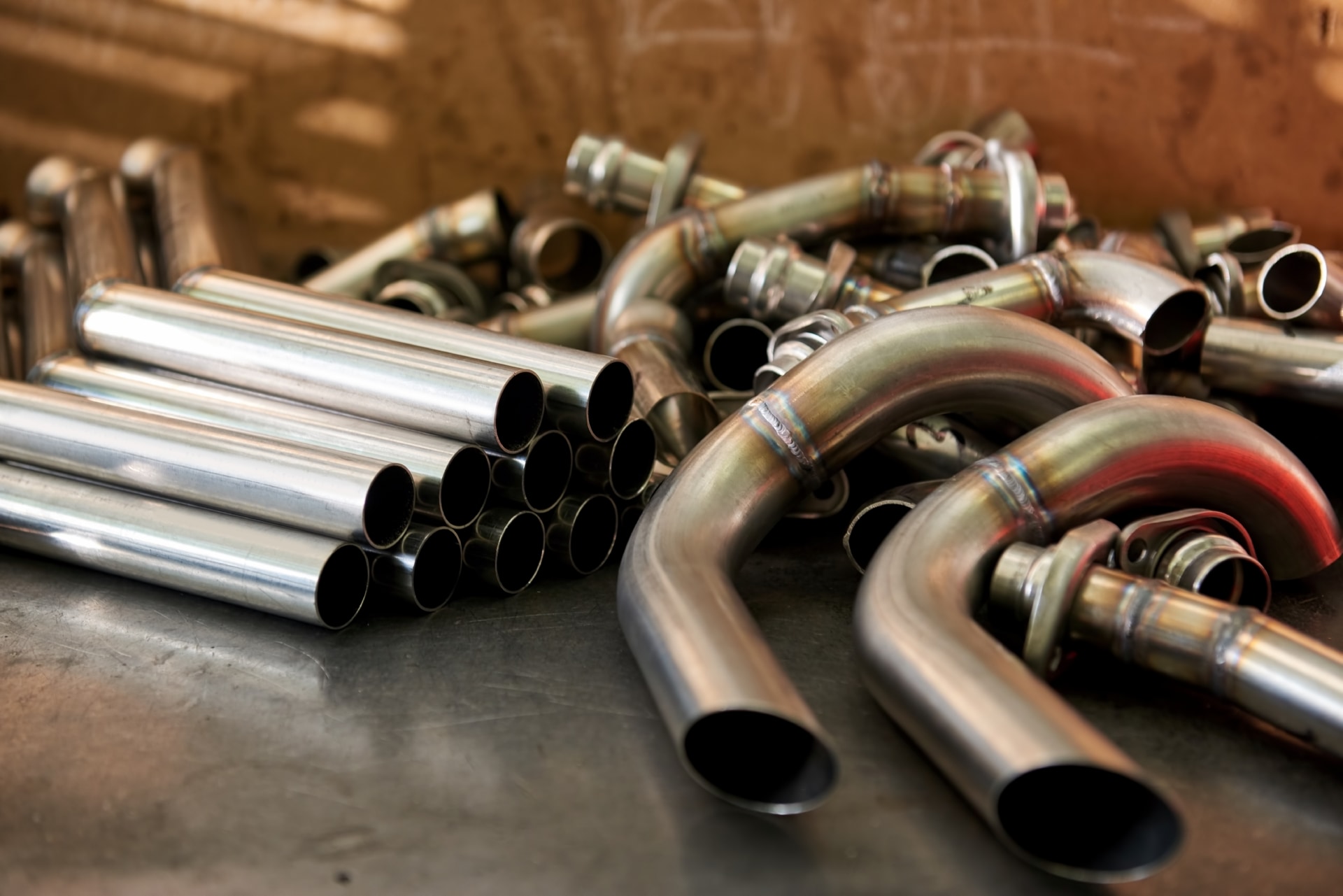
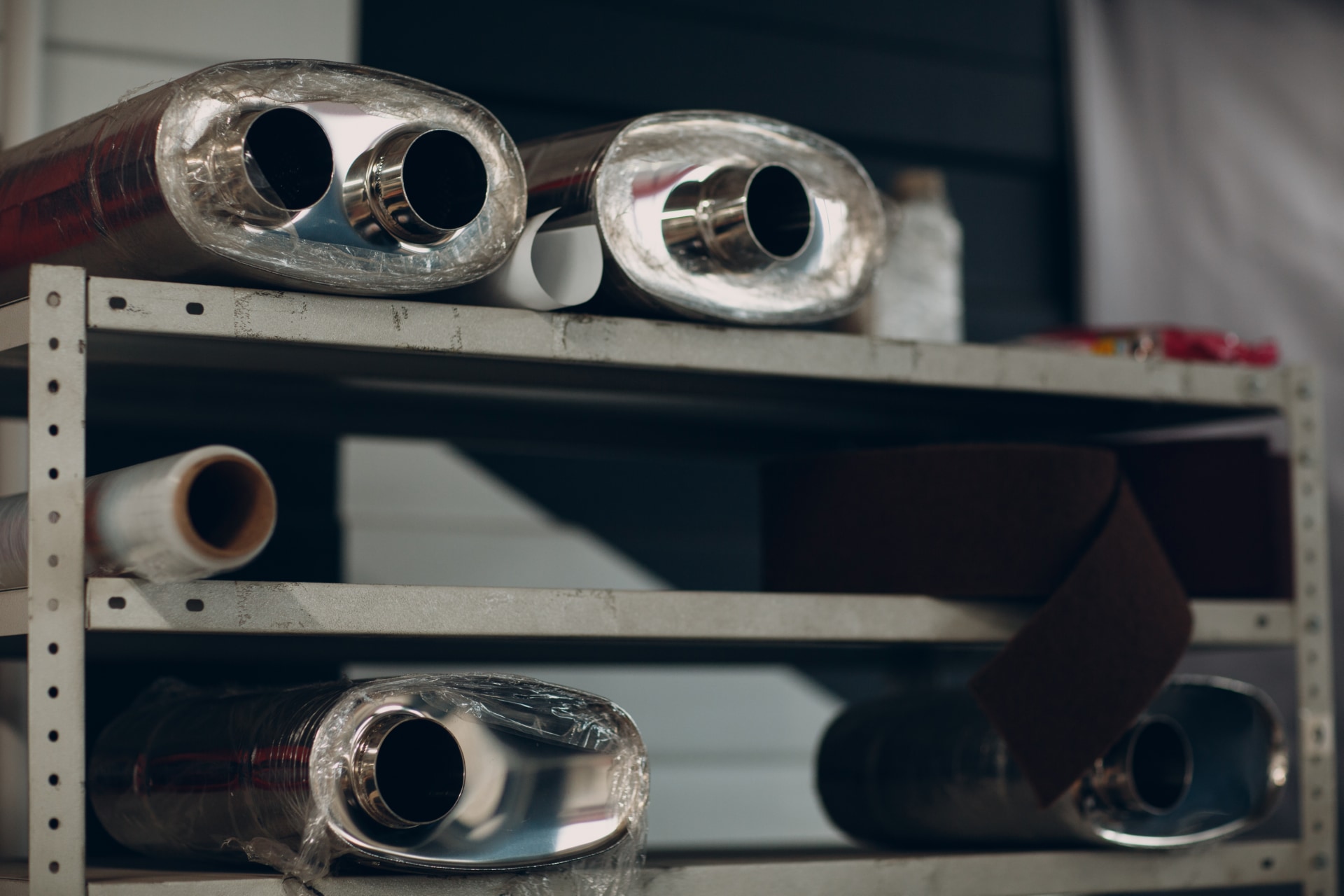
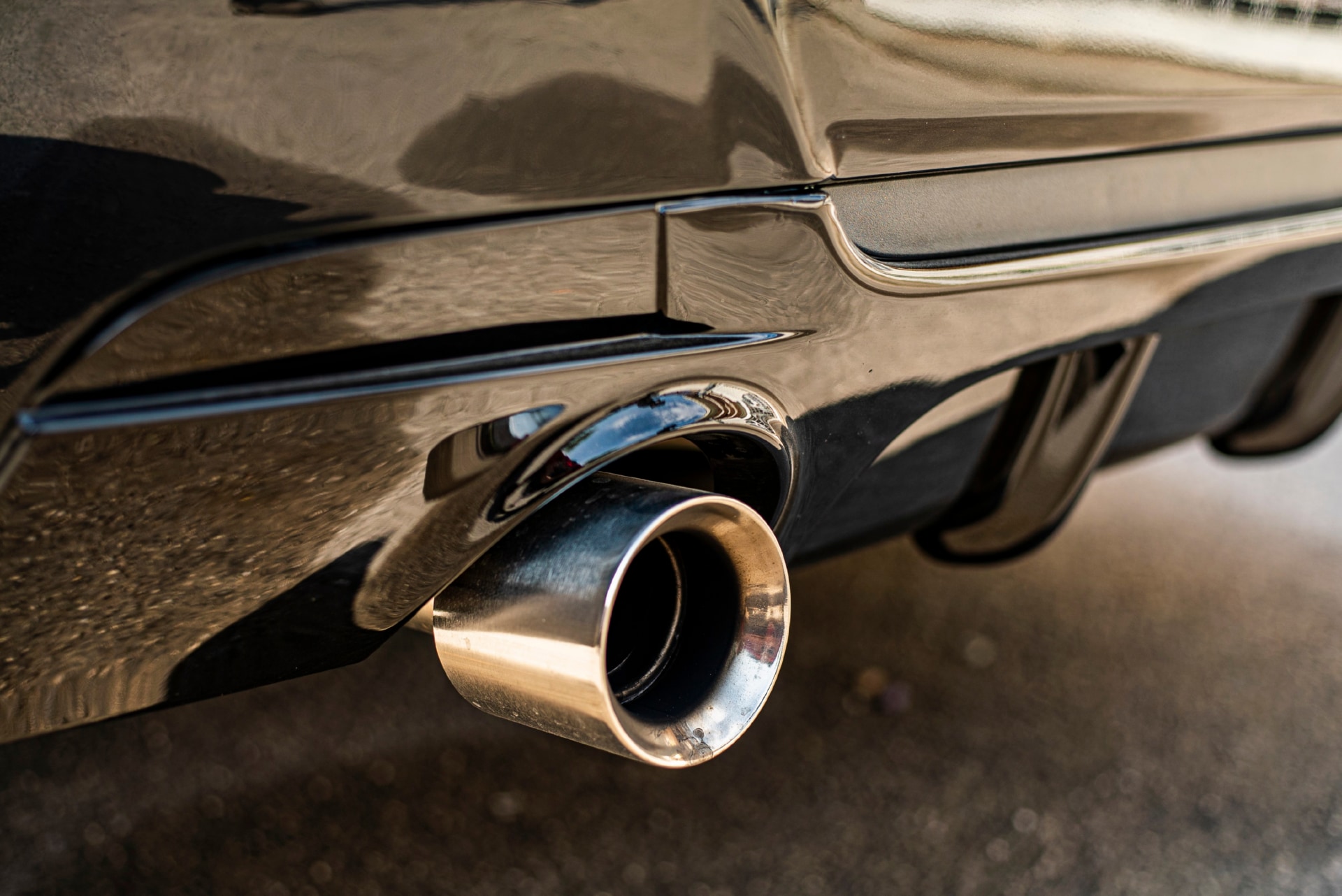
Your car’s exhaust system plays a vital role in both vehicle performance and environmental protection. A properly functioning exhaust helps remove harmful gases safely, reduces engine noise, and ensures your engine runs efficiently. When components such as the catalytic converter, silencer, or pipework begin to fail, your vehicle may use more fuel, produce higher emissions, or suffer from reduced performance—costing you money in the long run. By keeping your exhaust system in good condition and addressing issues early, you not only save on expensive repairs and fuel costs but also help reduce your car’s environmental impact by lowering pollution and improving overall efficiency.
Warning signs
Here are some clear signs motorists can look out for that may indicate faults with a car’s
exhaust system:
- Loud or unusual noises – A failing silencer, cracked pipe, or hole in the exhaust can
cause rumbling, hissing, or roaring sounds, especially during acceleration. - Reduced engine performance – Loss of power, sluggish acceleration, or poor fuel
economy can signal blockages or leaks in the exhaust. - Visible rust, holes, or hanging components – Any corrosion, damage, or loose parts
under the vehicle should be inspected immediately. - Strong exhaust smells – If you notice fumes inside or around the car, it may indicate a
dangerous leak that needs urgent attention. - Excessive smoke – Blue, white, or black smoke from the tailpipe can point to engine
or exhaust system issues. - Warning lights – An illuminated engine management light can be linked to exhaust
problems, such as catalytic converter or sensor faults.
Spotting these signs early can prevent further damage, save money on repairs, and keep your vehicle safe and efficient.